
What Is Endotoxin? Understanding Its Source, Mechanism, and Detection
Learn what endotoxin is, how it triggers an immune response, and how LAL and chromogenic approaches are used for endotoxin testing.
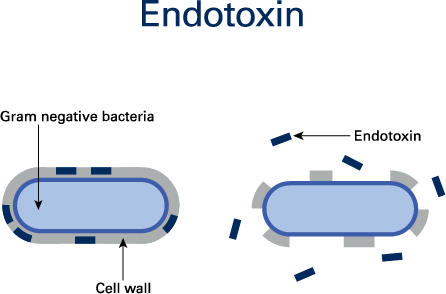
Endotoxin is a component of the outer membrane of Gram-negative bacteria, primarily lipopolysaccharide (LPS). It is not “made to be secreted”; endotoxin is mainly released when bacteria die, undergo lysis, or release outer membrane vesicles.
The process can be summarized as follows:
Gram-negative bacteria form an outer membrane containing LPS.
The toxic component of LPS is called lipid A.
When bacteria multiply, are damaged by the immune system, or are destroyed by antibiotics, their outer membrane breaks down and releases LPS.
LPS enters tissue or the bloodstream.
The immune system recognizes it through the TLR4 receptor on immune cells.
Inflammatory mediators such as TNF-α, IL-1, and IL-6 are released.
If the response is excessive, it can lead to fever, low blood pressure, coagulation disorders, sepsis, or septic shock.
In short, endotoxin originates from lipid A in the LPS of Gram-negative bacteria and becomes particularly dangerous when released into the body in large amounts.
This is because horseshoe crab blood contains amoebocytes, immune cells that are highly sensitive to endotoxin from Gram-negative bacteria.
When endotoxin (LPS) enters the body, amoebocytes trigger a coagulation or gel-forming reaction. This mechanism is a natural defense of horseshoe crabs to “contain” invading bacteria.
In the LAL (Limulus Amebocyte Lysate) assay:
Amoebocyte lysate is mixed with the sample.
If endotoxin is present, an enzymatic reaction occurs, producing a gel, turbidity, or color change.
Its high sensitivity makes it suitable for ensuring that injectable drugs, medical devices, or infusion fluids are free from endotoxin.
There is also a non-animal alternative, recombinant Factor C (rFC), which mimics a key component of this reaction and can detect endotoxin without using horseshoe crab blood.
The correct name is Limulus polyphemus. There are 4 living horseshoe crab species in the world:
Limulus polyphemus — North America
Tachypleus tridentatus — East Asia/Southeast Asia
Tachypleus gigas — South Asia and Southeast Asia
Carcinoscorpius rotundicauda — Southeast Asia
In Indonesia, the three Asian species listed above are generally found; Limulus polyphemus is native to the Atlantic coast of North America.
Related Products
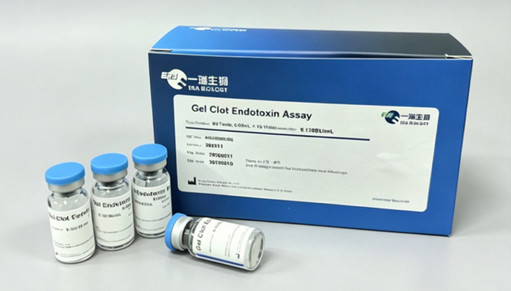
Gel Clot Endotoxin Assay
Reagents for bacterial endotoxin detection based on the traditional gel-clot method with a clear visual endpoint.
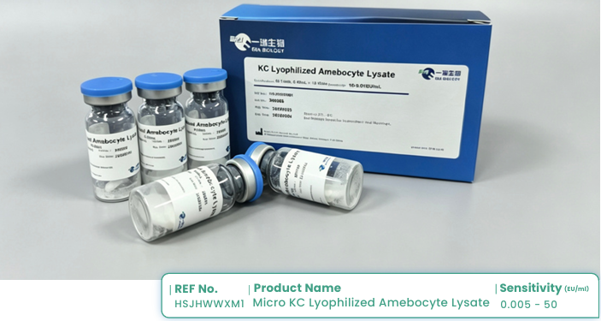
Micro Kinetic Chromogenic Reagents with 96-well Plates
Micro kinetic chromogenic reagents for quantitative endotoxin detection using 96-well plates.