
/ 2
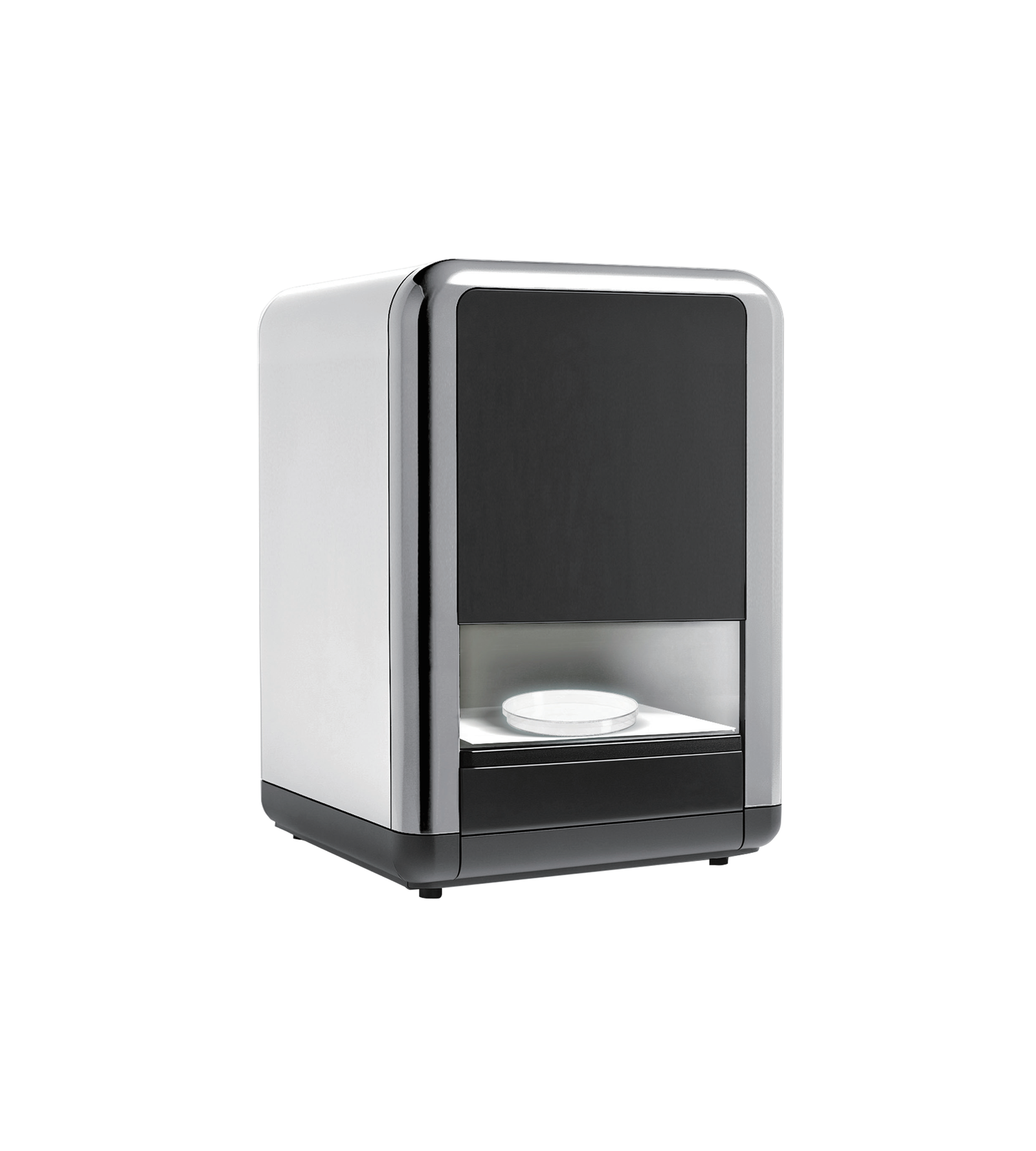
Counter1000 Automated Colony Reader
AI visual algorithm-powered automated colony counter with ultra-high 20 MP resolution camera, shadow-free dual diffuse LED lighting, and audit trail data security.
Technical Specifications
| Model Number | 1000 Colony Reader |
|---|---|
| Power Supply | AC 220V, 50/60 Hz |
| Sample Compatibility | Round Dishes (50-150mm), Square & Film Plates |
| Data Connectivity | Ethernet Cable Connection |
Full Product Description
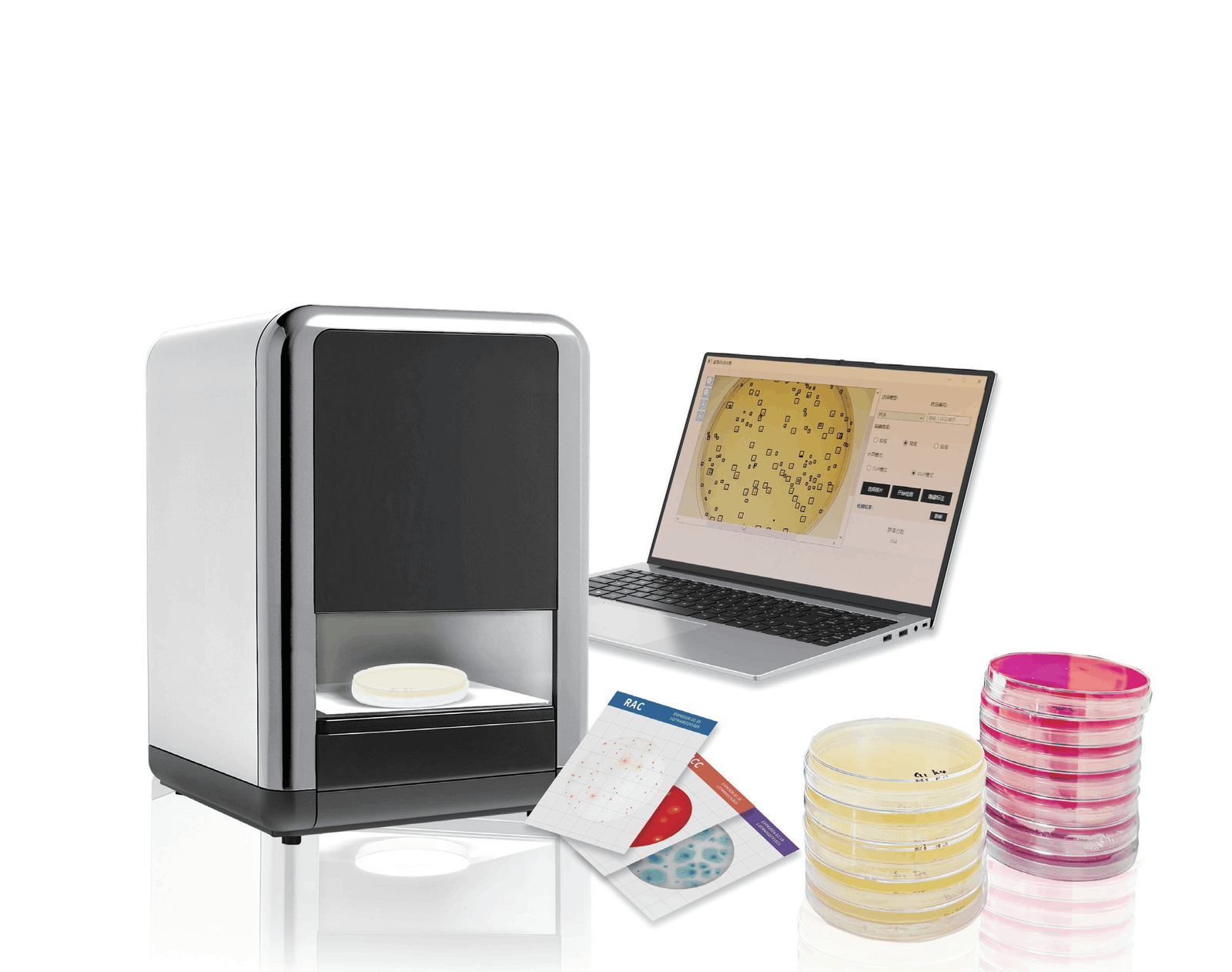
The Counter1000 Automated Colony Reader by Fountain Scientific is a high-performance microbiological imaging and colony counting workstation designed for food safety, pharmaceutical QC, and commercial testing laboratories. Powered by advanced AI visual algorithms, it delivers instant, objective colony enumeration and classification in a single click.
Featuring an ultra-high 20-megapixel camera and top/bottom diffuse white LED illumination, the Counter1000 captures pristine, reflection-free images across 100% of the culture dish area without edge distortion.
Key Features & Benefits:
• 20 MP Ultra-Clear Imaging: Resolves tiny, crowded, and faint microbial colonies with exceptional optical clarity.
• Largest Counting Area on the Market: Supports round petri dishes (50–150 mm), square dishes (120 mm), and rapid count film plates (GaBriFilm / Petrifilm).
• One-Click AI Algorithm: Automated 1-second counting with intelligent separation of overlapping colonies and colony type classification.
• Data Integrity & Compliance: Full electronic signatures, audit trail logging, and secure data archiving supporting GLP standards.
• Fast Data Connectivity: Seamless network export via high-speed Ethernet interface.
TECHNICAL & OPERATIONAL OVERVIEW
• Compatible Plate Formats:
- Standard petri dishes (60 mm, 90 mm, 120 mm, 150 mm)
- Rapid microbial count dry film plates (GaBriFilm series)
• Automated Colony Differentiation:
- Target coliforms, suspected coliforms, and non-coliform colonies
- Aerobic plate counts, pathogens, and fungal colonies
Featuring an ultra-high 20-megapixel camera and top/bottom diffuse white LED illumination, the Counter1000 captures pristine, reflection-free images across 100% of the culture dish area without edge distortion.
Key Features & Benefits:
• 20 MP Ultra-Clear Imaging: Resolves tiny, crowded, and faint microbial colonies with exceptional optical clarity.
• Largest Counting Area on the Market: Supports round petri dishes (50–150 mm), square dishes (120 mm), and rapid count film plates (GaBriFilm / Petrifilm).
• One-Click AI Algorithm: Automated 1-second counting with intelligent separation of overlapping colonies and colony type classification.
• Data Integrity & Compliance: Full electronic signatures, audit trail logging, and secure data archiving supporting GLP standards.
• Fast Data Connectivity: Seamless network export via high-speed Ethernet interface.
TECHNICAL & OPERATIONAL OVERVIEW
• Compatible Plate Formats:
- Standard petri dishes (60 mm, 90 mm, 120 mm, 150 mm)
- Rapid microbial count dry film plates (GaBriFilm series)
• Automated Colony Differentiation:
- Target coliforms, suspected coliforms, and non-coliform colonies
- Aerobic plate counts, pathogens, and fungal colonies